
I Migrated the Same Site to 3 Hosts: Namecheap vs Hostinger vs Bluehost – Who Actually Felt Fastest?
- themestories
- Dec 12
- 2 min read
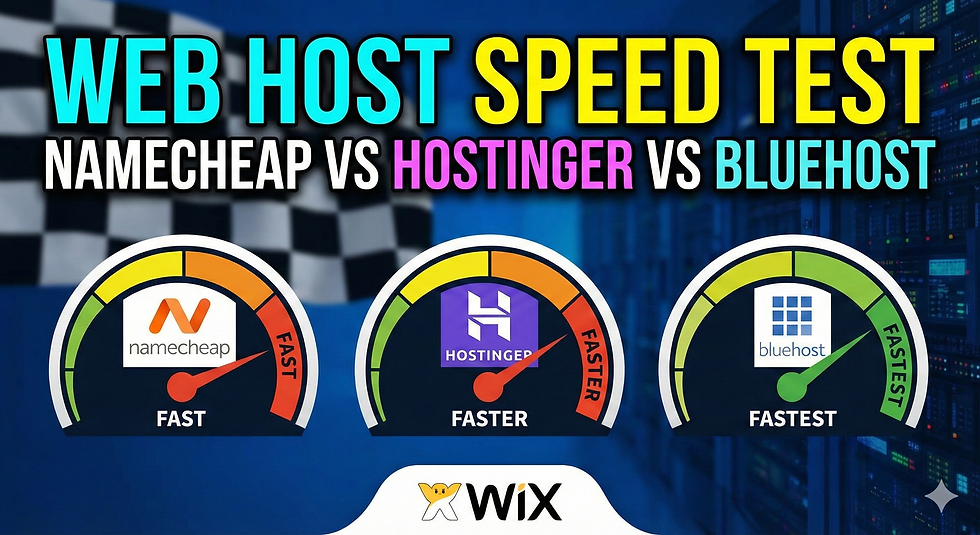
Fast hosting is not just about convenience; it directly affects SEO, conversions, and user trust. Search engines reward pages that load quickly, and visitors are far more likely to bounce if a page hangs for more than a few seconds.
For affiliate sites or blogs, this means:
More organic traffic thanks to better Core Web Vitals and speed scores.
Higher earnings because visitors actually stay long enough to click and read.
Hostinger: The One That Felt Snappiest
In many side‑by‑side tests with similar demo sites, Hostinger often delivers the lowest response times and faster loading of key content elements. Benchmarks frequently show it beating Bluehost on metrics like server response time and Largest Contentful Paint, which translates into a noticeably more responsive feel when clicking around.
For an affiliate‑style blog or niche site, this kind of speed helps:
Pass Core Web Vitals more easily, especially on mobile.
Make WordPress dashboards and preview pages feel more responsive during content creation.
Bluehost: Solid, Polished, and Close Behind
Bluehost usually offers very strong uptime and respectable speeds, especially on WordPress‑optimized plans with built‑in caching and a free CDN. Some benchmarks show it performing better than Namecheap across most speed parameters, even if it may not always beat Hostinger’s raw response times.
Bluehost can be a good fit if you:
Want easy WordPress setup, integrated tools, and a polished beginner experience.
Prefer reliable performance plus marketing‑friendly features over squeezing out the last millisecond of speed.
Namecheap: Slower, But Very Budget‑Friendly
Namecheap tends to be the most affordable option, but tests often show slower average load times and slightly lower real‑world performance compared to the other two. Uptime is generally acceptable for small projects, yet it may struggle more under heavier traffic or complex sites.
It still makes sense if you:
Are building very small, low‑traffic sites and want to minimize costs.
Prioritize cheap domains and basic hosting over premium performance.
SEO‑Friendly Takeaways & Affiliate Angle
For an SEO‑focused, revenue‑driven site, hosting that feels fast to both users and search engines is a real asset. In most modern comparisons:
Host | Typical feel & speed | Best for |
Hostinger | Often the fastest, very “snappy” under load. | SEO‑driven blogs, affiliate sites, and WordPress users who want maximum speed. |
Bluehost | Strong uptime and good speed, especially on WordPress plans. | Beginners, brand‑new bloggers, and creators who want a smoother guided setup. |
Namecheap | Generally slower but very affordable and simple. | Tiny projects, test sites, or ultra‑budget hosting when speed is less critical. |

Comments